




Plastic Surgery :
Plastic surgery is a surgical specialty involving the restoration, reconstruction, or alteration of the human body. It can be divided into two main categories: reconstructive surgery and cosmetic surgery. Reconstructive surgery includes craniofacial surgery, hand surgery, microsurgery, and the treatment of burns. While reconstructive surgery aims to reconstruct a part of the body or improve its functioning, cosmetic (or aesthetic) surgery aims at improving the appearance of it. Both of these techniques are used throughout the world.
SUBDISCIPLINES OF PLASTIC SURGERY
Aesthetic surgery
Aesthetic surgery is a central component of plastic surgery and includes facial and body aesthetic surgery. Plastic surgeons use cosmetic surgical principles in all reconstructive surgical procedures as well as isolated operations to improve overall appearance
Burn surgery
Burn surgery generally takes place in two phases. Acute burn surgery is the treatment immediately after a burn. Reconstructive burn surgery takes place after the burn wounds have healed.
Craniofacial surgery
Craniofacial surgery is divided into paediatric and adult craniofacial surgery. Paediatric craniofacial surgery mostly revolves around the treatment of congenital anomalies of the craniofacial skeleton and soft tissues, such as cleft lip and palate, craniosynostosis, and paediatric fractures. Adult craniofacial surgery deals mostly with fractures and secondary surgeries (such as orbital reconstruction) along with orthognathic surgery. Craniofacial surgery is an important part of all plastic surgery training programs. Further training and subspecialisation is obtained via a craniofacial fellowship. Craniofacial surgery is also practiced by maxillofacial surgeons.
Microsurgery
Microsurgery is generally concerned with the reconstruction of missing tissues by transferring a piece of tissue to the reconstruction site and reconnecting blood vessels. Popular subspecialty areas are breast reconstruction, head and neck reconstruction, hand surgery/replantation, and brachial plexus surgery.
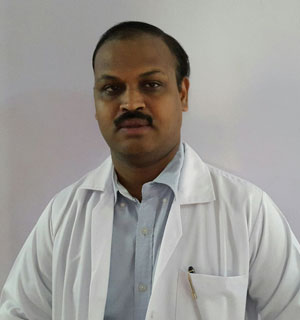
DR KRISHNA MOORTY
CONSULTANT PLASTIC SURGEON AND RECONSTRUCTIVE SURGEON
Regd. No: 55998
Timing: on call